User blogs


The Khudabad Mosque, also known as the Grand Mosque of Khudabad, located in Dadu District, Sindh, Pakistan, is notable for several engineering and architectural features that reflect its historical and cultural significance. Here are some key aspects from an engineering perspective:
The Khudabad Mosque, also known as the Grand Mosque of Khudabad, located in Dadu District, Sindh, Pakistan, is notable for several engineering and architectural features that reflect its historical and cultural significance. Here are some key aspects from an engineering perspective:
- Earthquake Resistance: The mosque has been designed to withstand seismic activity, which is significant in a region prone to earthquakes. The structural integrity of the building is maintained through the use of thick walls and robust construction techniques.
- Load Distribution: The design of the mosque includes arches and domes that effectively distribute weight, reducing the stress on individual structural elements and enhancing overall stability.
2. Materials and Construction Techniques
- Local Materials: The mosque was constructed using locally sourced materials, which were chosen for their durability and suitability to the local climate. This includes bricks, lime mortar, and stone.
- Traditional Techniques: The construction methods reflect traditional engineering practices, including the use of mud brick and timber, which provide both insulation and strength.
3. Architectural Features
- Dome Construction: The Khudabad Mosque features a large central dome, which is an engineering marvel of its time. The dome construction involves precise geometric calculations to ensure stability and symmetry.
- Vaulting Techniques: The mosque employs various vaulting techniques to create spacious and aesthetically pleasing interiors while maintaining structural integrity.

- Aerial Surveillance: Drones equipped with high-resolution cameras and multispectral sensors can capture detailed images of crops from above. These images help farmers monitor crop health, identify stressed areas, and detect issues like nutrient deficiencies, disease, or pest infestations.
- Early Detection: By regularly surveying fields, drones can spot early signs of problems, allowing farmers to take corrective action before issues become widespread. This leads to better crop management and higher yields.
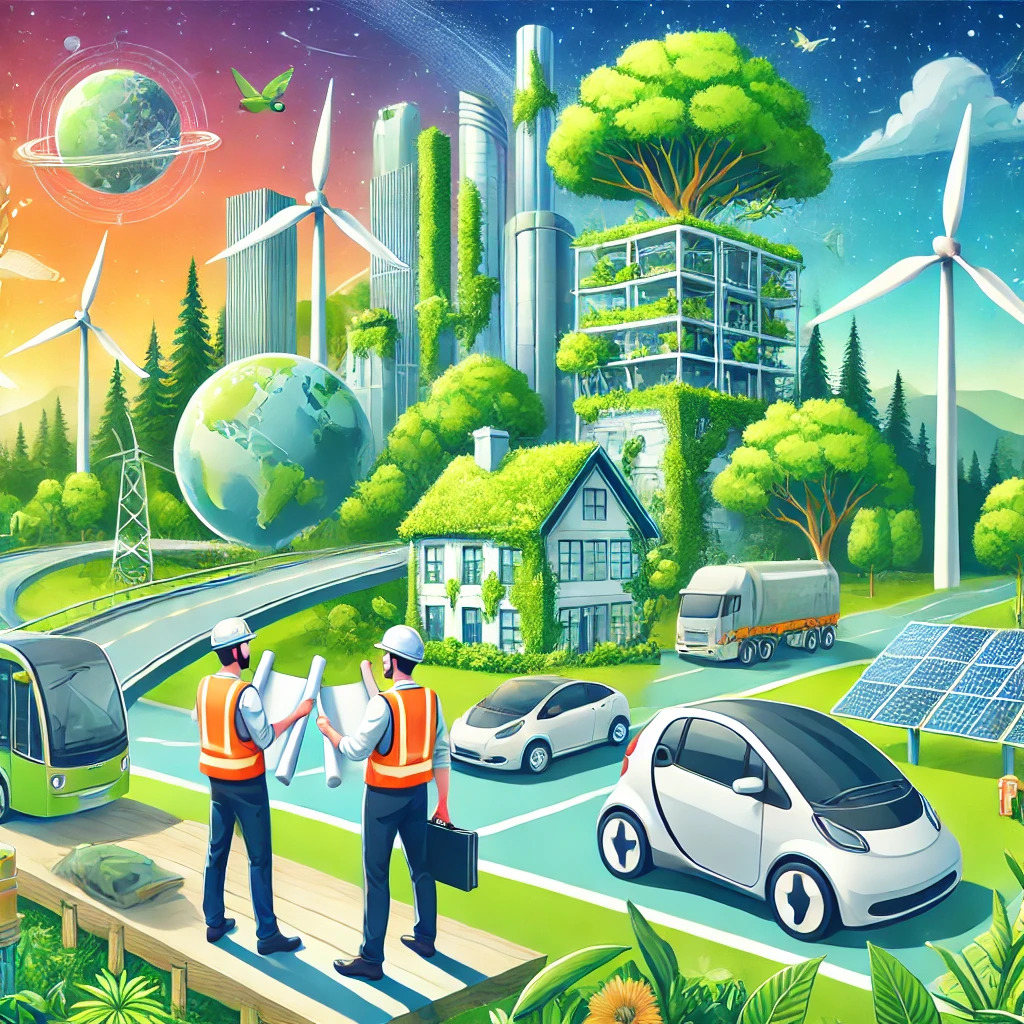
The Importance of Sustainability in Engineering: Shaping a Better Future for All Living Organisms
In today’s rapidly evolving world, engineering plays a critical role in shaping society and the environment. Historically, engineers have been seen as problem solvers who develop innovative solutions for industries and companies to enhance profitability and economic growth. However, as the global challenges of climate change, resource depletion, and environmental degradation become increasingly urgent, it is clear that the role of engineers must evolve. Modern engineers must not only focus on advancing industry but also take into account the long-term impacts of their work on the planet and all its inhabitants. In this context, sustainability is no longer an option—it is a responsibility.

Mechanical engineering has long been at the heart of industrialization, driving innovations that have transformed society and elevated standards of living worldwide. From the development of steam engines and industrial machinery to modern transportation systems and manufacturing processes, mechanical engineering has significantly contributed to economic growth and technological progress. However, the rapid pace of industrialization, which largely depended on mechanical engineering advancements, has also played a significant role in creating today’s environmental crisis.
The challenges of climate change, resource depletion, pollution, and loss of biodiversity are direct consequences of industrial practices that have prioritized profit and efficiency over sustainability. Mechanical engineers now face the urgent task of addressing these environmental problems while continuing to innovate. It is essential that they incorporate sustainable practices to mitigate the harmful effects of past industrial advancements. In this context, mechanical engineers are uniquely positioned to be key players in resolving the sustainability crisis.
How Mechanical Engineering-Based Industrialization Led to the Sustainability CrisisThe industrial revolution, powered by mechanical engineering innovations, dramatically increased human productivity and economic output. However, it also initiated a range of unsustainable practices that have had lasting consequences for the environment:
1. Jethro Tull (1674–1741)
- Contribution: Invented the seed drill in 1701, a major advancement in planting crops efficiently.
- Impact: This tool allowed farmers to sow seeds in neat rows, leading to higher crop yields and more efficient farming methods, thus boosting food production.
- Contribution: Developed the first commercially successful steel plow in 1837.
- Impact: Deere's plow could cut through the tough Midwestern soil, revolutionizing farming and allowing for much larger-scale production in previously difficult areas.
- Contribution: Invented the mechanical reaper in 1831, which was later improved and mass-produced.
- Impact: The mechanical reaper allowed one farmer to do the work of several, drastically improving the efficiency of harvesting grain and contributing to higher agricultural output.
modern-era agricultural engineers, including their famous quotes and the addition of M. S. Swaminathan, one of the most significant contributors to agricultural development:
1. M. S. Swaminathan (1925–2023)- Contribution: Known as the father of the Green Revolution in India, Swaminathan worked on introducing high-yielding varieties of wheat and rice, helping India achieve self-sufficiency in food production.
- Impact: His work prevented famines in India and contributed significantly to global food security.
- Famous Quote: "If agriculture goes wrong, nothing else will have a chance to go right."
- Contribution: Founder of International Development Enterprises (iDE), Polak developed affordable farming technologies like low-cost drip irrigation systems for smallholder farmers in developing countries.
- Impact: His innovations have helped millions of small-scale farmers in poverty-stricken regions increase their yields and income, combating hunger and improving livelihoods.
- Famous Quote: "The only way to end poverty is to create jobs and incomes for those who live on less than a dollar a day."
- Contribution: Founder of East-West Seed, Groot developed high-quality vegetable seeds suited to the tropical climates of Southeast Asia and other developing regions.
- Impact: His work has dramatically increased food security and smallholder farmer incomes by providing access to better seeds, leading to higher yields of nutritious vegetables.
- Famous Quote: "Seeds are the starting point of agriculture. They determine the quality of life for millions of small farmers around the world."
notable Indian agricultural engineers, scientists, and innovators whose contributions have been instrumental in shaping India’s agricultural sector, improving food security, and combating hunger. Their work has helped transform Indian agriculture into a more sustainable, productive, and resilient system.
Key Indian Agricultural Engineers and Innovators1.
1. M. S. Swaminathan (1925–2023)
- Contribution: Father of India’s Green Revolution, Swaminathan introduced high-yielding wheat and rice varieties that helped India achieve self-sufficiency in food production during the 1960s and 70s.
- Impact: His efforts in agricultural research and policy saved millions from famine and significantly improved India’s food security.
- Famous Quote: "If agriculture goes wrong, nothing else will have a chance to go right."
- Contribution: Known as the "Father of the White Revolution" in India, Kurien was the architect of Operation Flood, the world’s largest dairy development program.
- Impact: His efforts made India the largest producer of milk in the world, improving rural incomes and nutritional standards.
- Famous Quote: "True development is not the development of land, or of cows; it is the development of men and women."
list of notable African agricultural engineers, scientists, and innovators whose contributions have been crucial in transforming the agricultural landscape of the continent, improving food security, and combating hunger. These individuals have introduced innovations and policies that have had a lasting impact on African agriculture, empowering farmers and ensuring sustainable development.
Key African Agricultural Engineers, Scientists, and Innovators1. Akinwumi Adesina (1960–Present) – Nigeria

- Contribution: As President of the African Development Bank and a former Nigerian Minister of Agriculture, Adesina played a crucial role in driving agricultural transformation across Africa, launching initiatives like the Alliance for a Green Revolution in Africa (AGRA).
- Impact: His efforts have promoted the use of modern farming techniques, fertilizers, and agricultural policies, significantly increasing food security across Africa. He received the World Food Prize in 2017.
- Famous Quote: "The future of Africa’s development depends on agriculture, and agriculture depends on youth."

- Contribution: An agricultural scientist and plant breeder, Ejeta developed drought-resistant and pest-resistant sorghum varieties, critical to ensuring food security in sub-Saharan Africa.
- Impact: His work has been instrumental in improving the productivity of sorghum, a staple food in Africa, and his innovations have benefitted millions of smallholder farmers. He was awarded the World Food Prize in 2009.
- Famous Quote: "Science is a powerful tool to defeat hunger and poverty, but it requires dedication and global cooperation."
Notable Asian agricultural engineers, scientists, and innovators who have made remarkable contributions to agricultural development in Asia. Their work has improved food security, introduced new technologies, and empowered smallholder farmers, contributing to the transformation of agriculture across the continent.
Key Asian Agricultural Engineers, Scientists, and Innovators

- Contribution: Known as the "Father of Hybrid Rice," Yuan Longping developed the first high-yielding hybrid rice varieties, which significantly increased rice production and helped alleviate hunger in China and other Asian countries.
- Impact: His innovations in hybrid rice have been adopted worldwide, helping feed billions of people.
- Famous Quote: "To make a greater contribution to mankind, we should not only meet the needs of China but also help feed the world."

- Contribution: Known as the "Father of the Green Revolution" in India, Swaminathan introduced high-yielding varieties of wheat and rice that helped India achieve self-sufficiency in food production during the 1960s and 70s.
- Impact: His work prevented famines in India and significantly improved the country’s food security.
- Famous Quote: "If agriculture goes wrong, nothing else will have a chance to go right."
3. William Dar (1953–Present) – Philippines
- Contribution: Dar is a leading agricultural scientist and former Secretary of Agriculture in the Philippines. He has been instrumental in promoting sustainable farming practices and crop diversification in Asia.
- Impact: His work at the International Crops Research Institute for the Semi-Arid Tropics (ICRISAT) has improved food security in drought-prone areas through innovations in crop production and soil management.
- Famous Quote: "Agriculture must be resilient, sustainable, and inclusive to tackle the challenges of climate change and food security."

- Contribution: An agricultural economist, Hossain was a champion of rural development and food security in Bangladesh. He worked at the International Rice Research Institute (IRRI) and led efforts to improve rice productivity in Asia.
- Impact: His research helped increase rice yields, reduce hunger, and improve livelihoods for millions of farmers in Asia’s rice-growing regions.
- Famous Quote: "Agricultural research and innovation are the pillars of food security in Asia
The future of agricultural engineering is poised for significant transformation as it integrates more advanced technologies and adapts to global challenges such as climate change, resource scarcity, and population growth. Some key trends and technologies shaping the future of agricultural engineering include:
1. Precision Agriculture- Key Technologies: GPS, drones, and satellite imagery will continue to be integrated with farming equipment to precisely monitor crop conditions, soil moisture levels, and other critical factors. This approach allows for optimized input usage (water, fertilizers, pesticides) and higher crop yields.
- Impact: Precision agriculture can improve efficiency and sustainability by reducing waste and increasing productivity. With AI-powered analytics, farmers can make real-time decisions based on data.
- Future Prospects:
The increasing affordability and accessibility of sensors and AI tools
will make precision agriculture more widespread across both large-scale
and smallholder farms
.
- Key Technologies: Autonomous tractors, harvesters, and weeding robots are becoming more common. These machines reduce labor costs and increase productivity, particularly in regions facing labor shortages.
- Impact: Automated equipment can work around the clock, which is especially important for time-sensitive farming operations such as planting and harvesting. Robots can also perform tasks such as weeding or fruit picking, which traditionally require manual labor.
- Future Prospects: As robots become more sophisticated, they will handle even more complex agricultural tasks, such as precision planting and selective harvesting.



